States and Cities Move to Ban Cryptocurrency Kiosks Over Scams
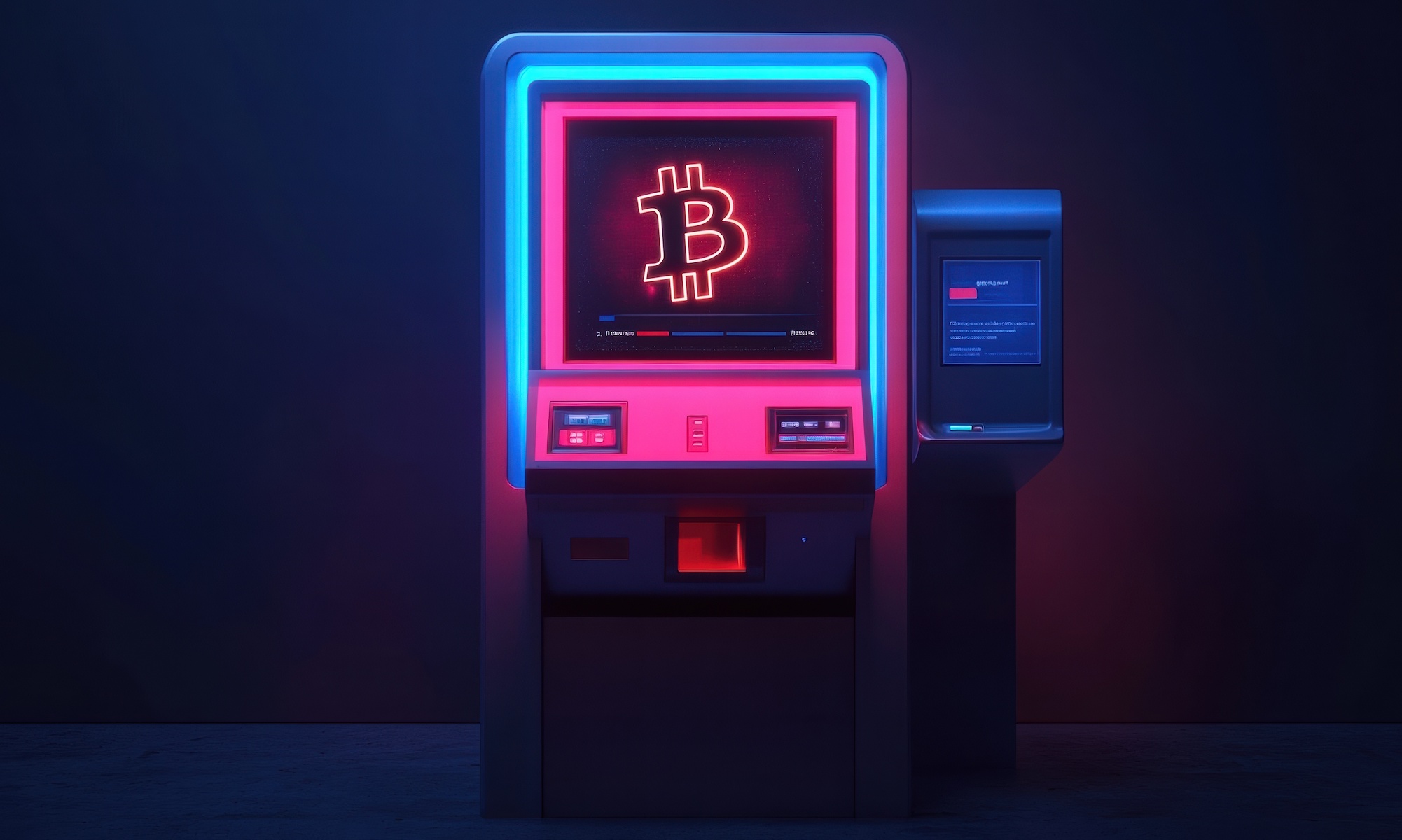
States and cities are moving to ban cryptocurrency kiosks because of a rise in scams. Local leaders want to stop people from losing money at these physical machines found in stores. These new rules could change how you find and use crypto in your neighborhood.
Why are states and cities banning cryptocurrency kiosks?
Governments are worried about how easy it is for criminals to use these machines. Scammers often tell people to go to a local store and put cash into a kiosk to "protect" their money. Once the cash goes into the machine, it turns into crypto and goes straight to the thief. Many people do not realize the money is gone forever until it is too late.
Public officials are seeing more victims every single day. They believe that removing these machines from gas stations and grocery stores will prevent fast, emotional decisions. Local government in the United States has the power to set these rules to keep people safe. You can learn more about how Local government in the United States works to see how these laws are passed.
How do cryptocurrency kiosk scams work?
The scams usually start with a phone call or a text message. A person might pretend to be from the police or a big tech company. They tell the victim there is a problem with their bank account. To fix it, the victim must take out cash and find a nearby cryptocurrency kiosk to send a payment.
- Scammers use high-pressure tactics to make people act fast.
- The machines allow for quick cash-to-crypto transfers.
- Transactions are very hard to track once they are sent.
- Victims are often older adults who do not understand the technology.
Because these machines are in public places, they look official and safe. This makes it easier for scammers to trick people who might not use a regular crypto app. By banning the kiosks, cities hope to break the link between the scammer and the victim's physical cash.
What does this mean for ordinary crypto users?
If you use these machines to buy coins for yourself, you might have to find a new way to shop. You may need to use an online exchange instead of a physical machine at the store. This could be a bit harder for people who prefer using cash for their digital assets. However, the goal is to make sure the general public stays safe from fraud.
These bans might also affect businesses that host the machines. Store owners often get paid a fee to have a kiosk on their property. If the machines are banned, that extra income for the shop will disappear. Most leaders think this is a small price to pay to stop millions of dollars from being stolen by hackers and thieves.
What should investors watch for next?
Watch for your own city or state to announce new rules about these machines soon. Many places are looking at what other cities are doing to see if the bans work. If one state stops the scams by removing the machines, others will likely follow the same path. This could lead to a future where crypto kiosks are very rare or only found in highly regulated spots.
You should also look for better education from local police departments. They are trying to tell everyone that no real company or government agency will ever ask for a payment in crypto. Keeping your money safe is the most important thing during this shift in the market. As more laws come out, the way we buy and sell digital coins will keep changing to focus on safety.

Comments
Post a Comment